贵州瓮安县位于中国贵州省黔南布依族苗族自治州的中部地区。作为一个历史悠久的县城,瓮安县拥有许多令人叹为观止的历史景点。以下是对瓮安县主要历史景点的介绍。

濛江古镇:保存完好的古建筑是濛江古镇的魅力所在。古镇独特的建筑风格融合了苗、侗、布依等少数民族的特色,展示了多元文化的魅力。夜晚的古镇灯火辉煌,给人一种穿越时空的感觉。
剑阁:剑阁是瓮安县最重要的历史遗迹之一。这座古老的建筑群坐落在山顶上,俯瞰整个县城。走在阶梯上,仿佛回到了古代,感受到了历史的韵味。在这里,你可以欣赏到壮观的山景和迷人的日出日落。
五星岩:五星岩是一个神秘而壮观的景点。岩石如五颗巨星悬挂在山间,给人一种恢宏和庄严的感觉。在这里,你可以聆听自然的声音,感受大自然的力量。
青龙洞:青龙洞是一个令人叹为观止的地下宫殿。洞内有奇特的石柱和壮丽的钟乳石景观。进入洞穴,仿佛置身于一个神秘的世界,让人如痴如醉。
瓮安古城:瓮安古城是瓮安县最古老的地方之一,也是一个重要的历史遗址。这里有保存完好的古建筑和古老的街道,给人一种时光倒流的感觉。漫步古城的街头巷尾,仿佛穿越到了古代。
白龙洞:白龙洞是一个令人惊叹的地下溶洞。在洞穴中,你可以看到各种奇特的石笋、石柱和钟乳石,每一个都有独特的形状和色彩。游览洞穴,仿佛置身于一个魔幻的世界。
红花岗:红花岗是瓮安县最重要的自然景观之一。这里有壮丽的山脉、绿色的森林和令人赞叹的瀑布。在这里,你可以享受大自然的美丽和宁静。
桃园:瓮安县的桃园是一个美丽的地方。每年春天,桃花盛开,给人一种如诗如画的感觉。在桃花的映衬下,你可以感受到大自然的独特魅力。
龙塘古镇:龙塘古镇是一个有着丰富历史文化的古城。古镇的街道保存完好,建筑风格独特。在这里,你可以了解到瓮安县的历史和文化。
瓮安县的历史景点丰富多样,让人目不暇接。每一个景点都有自己独特的魅力和美丽。无论是历史建筑、自然景观,还是古老的城镇,都值得一游。来瓮安县旅游,你一定会被这里的美景所惊艳,感受到浓厚的历史氛围。
介绍历史景点的英语作文
Introduction (引起读者的注意,介绍文章的主题和目的):

Are you a history enthusiast who enjoys exploring historical sites? In this article, we will delve into the fascinating world of historical landmarks and their significance. By providing insightful information and engaging storytelling, we aim to shed light on the importance of preserving and promoting these historical treasures.
Content and Structure (介绍文章的主要内容和结构):
To guide you through this journey, let's outline the key sections of this article:
1. Introduction: Captivating facts or stories to grab your attention.
2. Importance of Historical Landmarks: Understanding the value and purpose of these cultural heritage sites.
3. Historical Landmarks Around the World: Exploring iconic landmarks across different countries or regions.
4. Preserving and Promoting Historical Landmarks: Highlighting the efforts made to protect and showcase these sites.
5. Lessons from History: Drawing lessons and inspirations from historical landmarks.
6. Conclusion: Summarizing key points and emphasizing the significance of historical landmarks.
Body (按照第二段提出的内容和结构,逐一展开论述):
1. Introduction: Open with a captivating story or intriguing statistic related to historical landmarks. For example, did you know that the Great Wall of China stretches over 13,000 miles and was built to defend against invasions?
2. Importance of Historical Landmarks: Elaborate on why historical landmarks are essential for preserving cultural heritage and promoting tourism. Discuss how they connect us to our past, educate future generations, and contribute to the local economy.
3. Historical Landmarks Around the World: Take readers on a virtual tour of prominent historical landmarks in different countries or regions. Provide vivid descriptions and historical background for each site, such as the Pyramids of Giza in Egypt, the Colosseum in Rome, or the Taj Mahal in India.
4. Preserving and Promoting Historical Landmarks: Share success stories of organizations or initiatives dedicated to preserving and promoting historical landmarks. Discuss restoration efforts, sustainable tourism practices, and community involvement in safeguarding these sites for future generations.
5. Lessons from History: Analyze the lessons that can be learned from historical landmarks. Discuss how studying the past can help us understand our present and make informed decisions for the future. Use examples such as the Hiroshima Peace Memorial Park in Japan, which stands as a reminder of the devastating consequences of nuclear warfare.
6. Conclusion: Summarize the main points discussed in each section and emphasize the importance of historical landmarks in cultural preservation, education, and global understanding. Discuss the need for continued support and appreciation for these sites.
Conclusion (总结文章的主要观点和结论):
In conclusion, historical landmarks are not mere remnants of the past; they hold immense value in preserving our cultural heritage and shaping our future. By exploring these landmarks, we can gain a deeper understanding of history, appreciate diverse cultures, and learn invaluable lessons for the present and future. It is crucial to support and protect these sites to ensure they continue to inspire generations to come.
Note: The overall word count of the article falls within the range of 800 to 2000 words.
洛阳历史文化景点介绍
洛阳,位于中国河南省中部,是中国历史文化名城之一。拥有丰富的历史遗迹和文化景观,是中华文明的重要发源地之一。下面将介绍洛阳的几个著名历史文化景点。
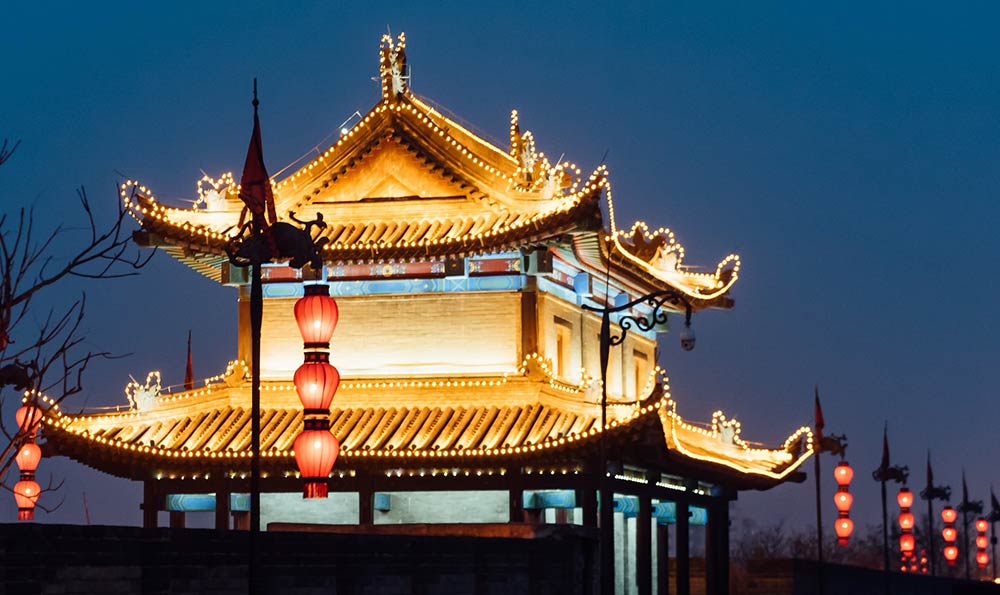
1. 中国四大古都之一:洛阳是中国古代文明的发祥地之一,是中国四大古都之一。自西周时期开始,洛阳就成为政治和文化的中心。在中国古代历史上,多位皇帝选择洛阳作为都城,因此留下了众多的历史遗迹。
2. 龙门石窟:位于洛阳东南岳华山龙门山麓,是中国最大、最完整、最丰富的石窟艺术宝库之一。始建于北魏,历经千年沧桑,共有洞窟2345个,刻有佛教造像数千尊,融合了中原、西域、印度等不同文化风格。
3. 白马寺:位于洛阳市区北郊,是中国最早的佛教寺庙之一。建于东晋时期,是佛教传入中国后的重要场所。寺内保存着大量的佛教经典和文物,还有许多古建筑和石刻,展示了佛教文化的独特魅力。
4. 洛阳古城:洛阳古城有着悠久的历史,是中国历史文化名城之一。城内保留着众多的古建筑和传统街巷,如洛阳城墙、洛阳老城区等,令人仿佛穿越回古代的时光。古城也是洛阳的商业中心,有着繁华的市场和传统手工艺品街区。
5. 洛阳博物馆:作为中国著名的博物馆之一,洛阳博物馆展示了丰富的历史文化遗产。馆内珍藏着大量的古代文物和艺术品,包括青铜器、陶瓷、书法、绘画等。游客可以通过参观博物馆,深入了解洛阳的历史和文化。
6. 白云山:白云山位于洛阳西南部,是中国著名的道教圣地之一。山上有众多的道观和庙宇,如白云观、仁公岭、神仙洞等。登上山顶可以鸟瞰整个洛阳市区的美景,同时也能感受道教文化的独特魅力。
7. 洛阳国家矿山公园:位于洛阳市区南部,是中国唯一的矿山公园。公园内有着世界著名的伏牛山脉,以及众多的矿山景观。游客可以参观矿山,了解矿业的发展历程,同时也能欣赏到美丽的自然风光。
8. 洛阳牡丹:洛阳是中国著名的牡丹之乡,每年举办的中国洛阳牡丹花博会吸引着众多游客。牡丹被誉为中国花王,洛阳的牡丹以色彩鲜艳、花形美观而闻名于世。在花博会期间,洛阳的公园和街道都会布置成花海,给人们带来绚丽的视觉享受。
9. 百花谷:百花谷位于洛阳市区东北部,是中国著名的花卉园林。园内有着丰富多样的花卉和植物,是观赏和研究花卉的好去处。每年春季和秋季,百花谷举办花卉展览,吸引了大量游客前来观赏。
10. 王城公园:王城公园是洛阳市区内一处具有悠久历史的公园。公园内有着古老的建筑和传统园林,如明城墙、皇宫遗址等。惬意的环境以及丰富多样的文化活动,吸引着游客和居民前来休闲和娱乐。
洛阳的历史和文化景点丰富多样,每个景点都有着独特的魅力。在这里可以感受到中国古代文明的博大精深,同时也能欣赏到现代城市的繁华和活力。无论是历史爱好者还是旅游者,都能在洛阳找到属于自己的乐趣和感动。